

A being
a call to recognise antarctic rights

The cold is sharp, stabbing through the many layers that cover my body, twisting my spine in strange distortions. I am determined, though, utterly determined to stay outside, in my first-class seat to the community of life that is Antarctica.
My face hurts the most- from the icy wind that slams it as the ship drifts forward, on and on. I pull my buff up to my eyes to stifle it, but the condensation from my breath freezes anyways. I take periodic breaks to go inside the glass-windowed cabin to defrost my hands and stretch my back in the air-conditioned warmth. I could stay here, I think, and watch through the window. But it’s not the same. I want to feel it all. I want to close my eyes- wind whipping against me, the cold ripping through my body- and imagine the silence of this world without us in it.
The ship bombards through this landscape, carving its way through the ice, leaving penguins looking up in bewilderment at this foreign red giant.
I have been thinking a lot about the extractive nature of travel, and of journalism- how we charge into a place with an agenda, and do not leave until it is satisfied.
But in these wild places, places like Antarctica- it does not matter what I can get. What I learnt in my time there does not matter. What matters is the fact that Antarctica exists without me. Antarctica is a being, a sacred entity that I had the privilege of witnessing.
And she is in danger.
Krill ships, with much the same entitlement as our research vessel charge into her waters, but they strip her clean, leaving nothing for the resilient climate survivors and dismantling the fragile food chain of this incredible ecosystem.
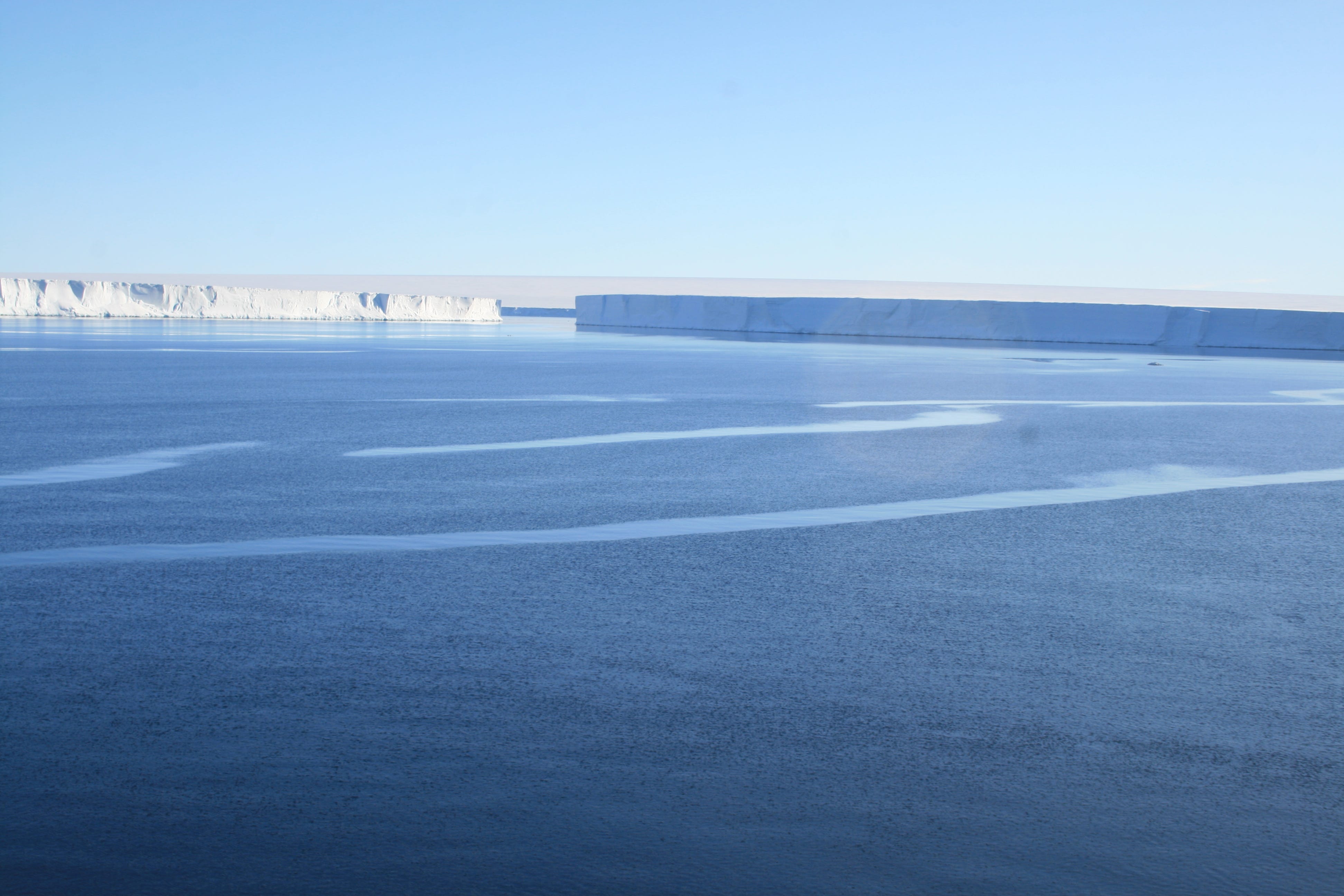
Climate change, distant in origin but catastrophic in effect, melts her extensive ice shelves and sea ice at an alarming rate, removing the rare and essential habitat for ice-dwellers.
And that is only part of it. For years, Antartica has been surveyed and probed for her rare resources and materials. To mine Antarctica, can you imagine it? To not only assist in habitat destruction, but to do it for the sake of ripping out minerals used to further environment degradation- some might say that is inconceivably evil.
But this is almost inevitable under the current mechanistic world view- where nature is object, and human is the only subject.1 Where we view endless progress and growth on a finite planet to be normal- despite any and all casualties- especially those hidden from view, tucked away in the farthest reaches of our planet.
Not to mention the increasing normality of viewing climate collapse in our communities, turning a blind eye to return to our air-conditioned offices and cushy homes- because what else are we going to do, right?
The move to recognise Antarctica as a being, an entity within herself, is rooted in the Rights of Nature movement, globally gaining popularity and deemed as the fastest growing environmental justice movement in human history.
This move would be monumental, giving an essential voice to a fiercely wild and sacred part of our planet- who has no indigenous voices (none that we humans can understand anyways).
The thing is, one does not need to travel to Antarctica to understand how we are all connected to her. Everything you know exists because Antarctica exists.
I must admit, I was naive to the impact that Antarctica would have on me. I did not know that I would feel a profoundly real connection to a place, a community, that I was an alien in. Except- I was not an alien. I am a being of this planet- and therefore no more or less than the penguins that looked up at me from the sea ice.
In reflection, I can understand that I am a part of Antarctica, and Antarctica is a part of me - as she is in you.
The Antarctic Rights Alliance was globally launched last week, hoping to adopt an Antarctica Declaration that recognises that all Antarctic beings have rights that humanity must respect and protect, establishing a basis for global collaborative action to protect Antarctica. The alliance will develop systems to implement the Declaration and ensure that decisions that affect Antarctica are made in the best interests of Antarctica.
You can join the Antarctic Rights Alliance here.
This article was inspired by Antarctica, and influenced by the work done by Leonie Joubert and the incredible keynote address given by Cormac Cullinan2 at the World Conference of Science Journalists on Tuesday, 2 December 2025 in Tshwane, South Africa.
Thomas Berry, also cited and furthered by Cullinan, famously said, “The universe is a communion of subjects, not a collection of objects.”